
Designing outdoor spaces requires balance. Combining hardscape and softscape creates environments that are not only beautiful but functional. Hardscape elements provide structure, durability, and usability, while softscape adds life, color, and comfort. With thoughtful planning, your patio, garden, or backyard can become a versatile space for relaxation, gatherings, and play. Exploring professional expertise ensures your outdoor living areas are crafted with precision, sustainability, and style.
Understanding Hardscape: The Foundation of Outdoor Spaces
Hardscape forms the backbone of any outdoor living area, providing structure, durability, and long-term functionality. It includes patios, walkways, retaining walls, decks, and pergolas, all of which define spaces, guide movement, and support daily outdoor activities. Choosing the right materials is essential. Natural stone adds timeless elegance, concrete offers versatility, and composite decking combines durability with low maintenance. Each material should complement your home’s style while meeting practical needs.
Key Considerations for Hardscape
When planning hardscape, focus on:
- Material choice: prioritize durability, weather resistance, and aesthetic compatibility with your home.
- Functional layout: design clear paths, seating zones, and activity areas for smooth flow.
- Maintenance requirements: select surfaces that are easy to clean and maintain long-term.
Integrating Style with Durability
A thoughtfully designed hardscape not only provides stability but enhances the overall look of your outdoor space. Smooth transitions between patios, decks, and pathways encourage comfort and usability. Strategic placement of features like fire pits, raised beds, or seating walls can maximize both utility and visual appeal.
Important Notes:
- Define pathways and zones clearly
- Include multi-functional structures like pergolas
- Use contrasting textures for visual interest
For homeowners aiming to elevate their outdoor living, professional landscaping services for modern outdoor spaces ensure seamless integration of style, durability, and functionality.
The Role of Softscape: Adding Life and Comfort
Softscape brings natural beauty, color, and movement to outdoor spaces. It turns functional areas into inviting retreats where you can relax and unwind.
Softscape includes plants, trees, shrubs, lawns, and garden beds. Selecting species suited to your climate, soil, and sunlight ensures long-lasting appeal with minimal upkeep. Beyond aesthetics, softscape provides privacy, reduces heat, and highlights focal points in your outdoor environment. Strategically placed greenery can frame pathways, soften hard edges, and add texture to patios and decks.
Design Tips for Softscape
- Layering plants: Mix heights, textures, and foliage for depth and visual interest.
- Seasonal color planning: Choose blooms that offer color across seasons to keep your garden vibrant year-round.
- Eco-friendly planting: Native or drought-tolerant species reduce water usage and maintenance, making your landscape sustainable.
Enhancing Comfort and Usability
Softscape can also improve the functionality of your outdoor areas. Hedges, shade trees, and carefully positioned garden furniture create inviting spaces for dining, play, or meditation. Thoughtful plant placement enhances both privacy and comfort, while blending seamlessly with other features.
Important Notes:
- Plant for privacy and noise reduction
- Use color and texture for visual appeal
- Combine softscape with lighting for evening ambiance
For a truly harmonious space, integrate greenery with outdoor furnishing and patio design ideas to create cozy, functional, and visually striking outdoor retreats.
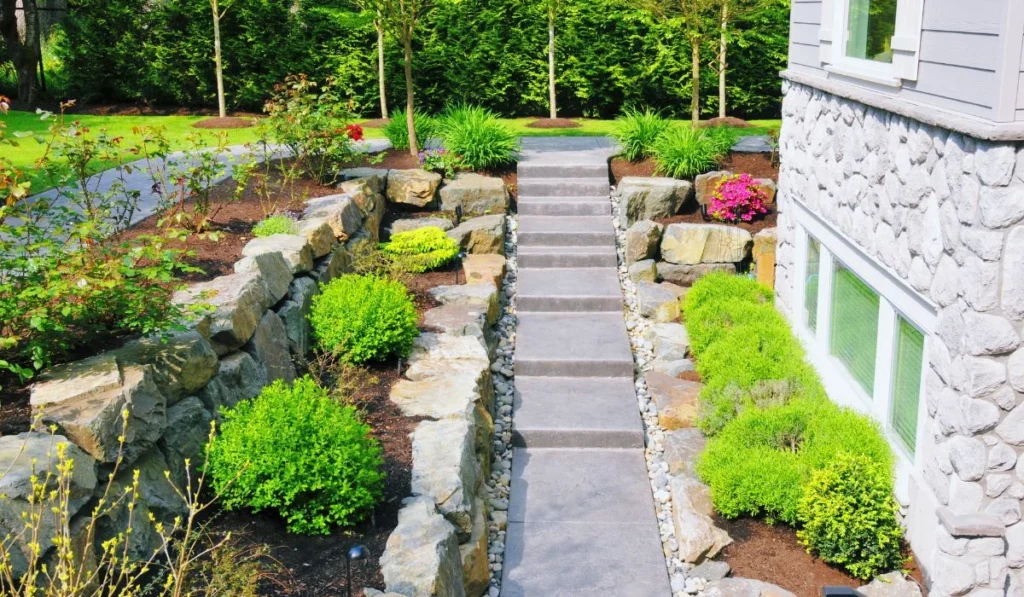
Planning the Balance Between Hardscape and Softscape
Creating a harmonious outdoor space requires thoughtful planning. The perfect garden or backyard blends the solidity of hardscape with the softness of lush greenery, making areas both functional and inviting. Start by mapping zones for walking, seating, and recreational use, while considering sunlight, shade, and access points. Hardscape elements like patios, decks, and pathways form the backbone of your design, providing structure and durability, whereas softscape elements such as trees, shrubs, and flower beds add life, color, and comfort. Prioritize focal points like a seating area, a water feature, or a flower bed to guide the eye and enhance usability.
Balancing Form and Function
- Integrate hard surfaces with planting areas seamlessly for a cohesive look
- Consider proportion, scale, and visual weight to maintain harmony
- Plan for seasonal changes and long-term growth to avoid overcrowding
Tips for Cohesive Outdoor Spaces
- Use consistent materials across patios and pathways to unify the design
- Position greenery strategically to soften edges and corners
- Include focal elements like fountains or fire pits to anchor the space
Key Points:
- Blend hard and soft elements for a natural flow
- Ensure accessibility and easy maintenance
- Apply design principles to guide plant placement
With careful planning, your outdoor space will feel balanced, practical, and visually appealing all year round.
Practical Features: From Patios to Pathways
Practical hardscape features play a key role in improving usability while giving structure to your outdoor environment. Patios, walkways, and retaining walls provide stability and functionality, allowing for smooth movement across your garden or backyard. Well-designed paths protect lawns from foot traffic, connect different zones, and guide visitors naturally through your space. Combining these elements with raised beds, planters, and pergolas ensures that softscape elements enhance both beauty and usability.
Creating Usable Zones
Planning clear zones is essential for maximizing functionality. Allocate spaces for dining, lounging, or recreation, so every part of your outdoor area serves a purpose. Ensure smooth transitions between hard and soft surfaces to maintain a cohesive look. Incorporating storage solutions, such as benches with hidden compartments or deck-integrated cabinets, keeps clutter at bay without compromising aesthetics.
Durability Meets Design
Hardscape surfaces like natural stone, concrete, or composite decking are built to withstand weather, heavy use, and seasonal changes. Strategically placing softscape elements around these features softens edges, adds visual appeal, and creates inviting spaces. Proper lighting enhances safety while highlighting textures and focal points, making outdoor areas usable day and night.
Highlights:
- Use permeable paving to manage water efficiently
- Add seating integrated into walls or decks for convenience
- Include subtle lighting to enhance safety and evening ambiance
Maintenance Tips for Longevity
Regular maintenance is the key to keeping outdoor spaces both functional and visually appealing for years. A well-balanced combination of hardscape and softscape requires consistent attention. Hardscape surfaces, such as patios, decks, and walkways, should be cleaned frequently and sealed periodically to protect against weather damage, stains, and wear. Meanwhile, softscape elements like lawns, shrubs, and garden beds need proper watering, pruning, and seasonal care to thrive. Maintaining this balance ensures that your outdoor areas remain inviting, safe, and durable.
Simple Maintenance Strategies
- Clean patios, decks, and pathways to remove dirt, moss, or debris
- Inspect plants regularly for pests, diseases, or nutrient deficiencies
- Trim trees, shrubs, and hedges to maintain form and prevent overcrowding
Sustainable Practices
Incorporating eco-friendly habits helps your landscape stay healthy while conserving resources. Mulching around plants reduces water usage and prevents soil erosion. Reusing or recycling materials when updating hardscape elements not only saves costs but also supports sustainability. Planning for gradual growth prevents overcrowding and ensures that every plant and structure has adequate space to flourish.
Quick References:
- Inspect surfaces and structures periodically for damage
- Maintain irrigation and drainage systems for consistent water flow
- Replace or refresh plants seasonally to keep the garden vibrant
With regular care and thoughtful strategies, your outdoor space can remain both beautiful and functional year-round.
Transform Your Outdoors with Thoughtful Design
Creating functional outdoor living spaces requires the perfect mix of hardscape and softscape. By planning carefully and integrating structure with nature, you can design areas that are both practical and visually stunning. Start your project confidently and ensure lasting beauty with professional support. For tailored solutions and expert installation, reach out via our Contact Page. Transform your patio, garden, or backyard into a space you’ll love every day.
FAQs
Q1: What is the difference between hardscape and softscape?
Hardscape refers to structural elements like patios and pathways, while softscape includes plants, lawns, and garden features.
Q2: How do I balance hardscape and softscape in a small yard?
Prioritize multifunctional areas, use vertical planting, and integrate small pathways to maximize space.
Q3: Can outdoor spaces be low maintenance and beautiful?
Yes, selecting durable materials and native plants ensures long-lasting, easy-to-care-for gardens.
Q4: How often should I maintain outdoor hardscape surfaces?
Clean and seal surfaces at least once a year, and inspect for wear or cracks regularly.
Q5: What plants work best for Dubai outdoor gardens?
Use native or drought-tolerant species that thrive in heat and require minimal water.




0 Comments